Why Lymphatic Drainage Is Non-Negotiable After Cosmetic Surgery
September 15, 2026
Keri Freeman White, MBA, BSN, RN
18 years of clinical experience · Founder, Opulent Kare
September 15, 2026
Keri Freeman White, MBA, BSN, RN
18 years of clinical experience · Founder, Opulent Kare
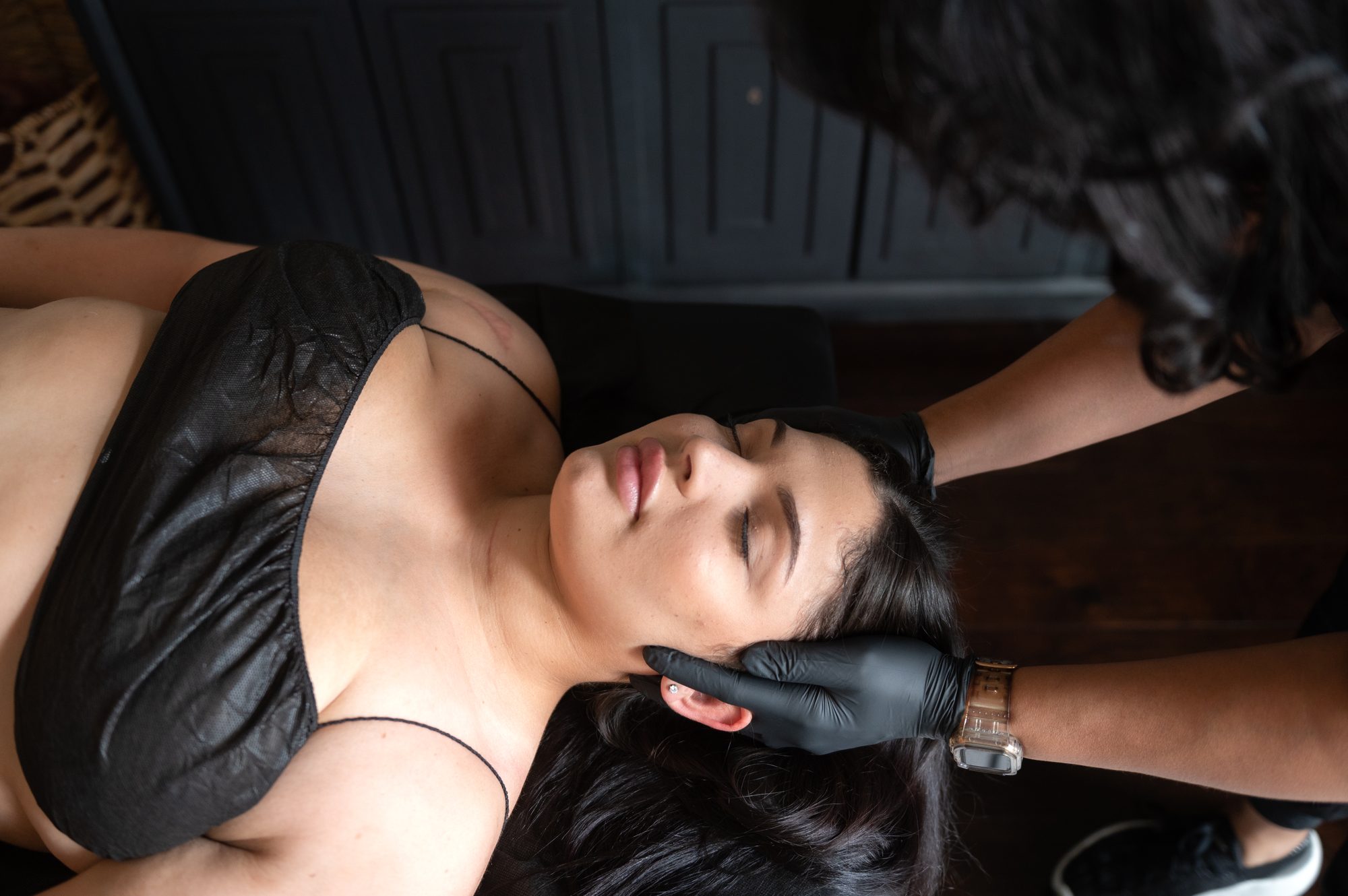
Lymphatic drainage is one of the most important parts of recovery after cosmetic surgery. This is not just a spa treatment. It is a medical necessity that helps control swelling, reduces your risk of complications, and helps you feel more comfortable as you heal. It also helps you see your final results sooner.
Many people think lymphatic drainage only means manual lymphatic drainage, also called MLD. This is not true.
Manual lymphatic drainage is a gentle massage that moves fluid in your body. It is only one part of post-op lymphatic care. After cosmetic surgery, proper lymphatic drainage uses several methods, not just MLD. These include compression, special post-surgical massage, and other clinical techniques. They work together to help your body heal.
It is important to know that only offering MLD is not enough. True post-op lymphatic drainage uses a combination of techniques. This is what gives you the best results.
Your lymphatic system is your body's drainage system. It removes extra fluid, waste, and inflammation from your tissues. Normally, it works quietly in the background.
Surgery slows down your lymphatic system. Incisions, tissue disruption, and anesthesia all make it harder for fluid to drain. At the same time, your body is making more fluid and inflammation than usual. This can cause swelling, firmness, and sometimes fluid pockets called seromas or hard tissue called fibrosis.
Lymphatic drainage should only be done by someone trained in post-surgical care. It is not the same as deep tissue massage.
A seroma is a pocket of fluid under the skin, common after tummy tucks, BBLs, or liposuction. Fibrosis is hard, scar-like tissue that forms if fluid and inflammation are not cleared during healing. Both can slow your recovery. Seromas may need to be drained by a doctor. Regular lymphatic drainage in the first weeks after surgery helps prevent these problems by keeping fluid moving.
Moving fluid and inflammatory byproducts out of tissue reduces pressure that causes bruising and pain. Patients often feel lighter, less tight, and less achy after a session, a benefit pain medication alone doesn't provide.
Nearly every cosmetic surgery patient goes through a period when they look more swollen than sculpted. This is normal but also the most emotionally difficult time. Lymphatic drainage speeds up swelling reduction, so you see your results sooner instead of waiting passively.
Less swelling and better blood flow around your incisions help your scars heal more smoothly and flatten over time.
Along with excess fluid, the lymphatic system clears metabolic waste and inflammatory byproducts from surgery and anesthesia. Supporting this process helps your body clear toxins more efficiently during recovery.
There is no universal start date for lymphatic drainage. Every surgeon and procedure is different. Some surgeons clear patients to begin as early as post-op day 2, while others prefer patients wait longer depending on the procedure, technique, and individual healing.
Always check with your surgeon to confirm the proper protocols and timeline for your case before starting sessions. What's appropriate for one patient's tummy tuck may not be appropriate for another's BBL. Starting too early or with the wrong approach can interfere with healing, especially after fat transfer procedures where timing and technique matter greatly.
Do not schedule lymphatic drainage based on a general timeline. Always get your surgeon's approval first. Ensure your provider knows your surgeon's instructions before you begin.
Not all lymphatic drainage is equal, and this is where many patients get into trouble. Aggressive massage, incorrect pressure, or premature timing can increase inflammation or disrupt healing tissue, especially after fat grafting. This clinical service requires a clinical provider, not a generic spa massage marketed under the same name, and not MLD alone.
At Opulent Kare, post-op lymphatic drainage combines multiple modalities, tailored to your specific procedure, your surgeon's protocol, and your individual healing pattern, not a one-size-fits-all routine and not a single technique billed as the whole solution.
Ready to build lymphatic drainage into your recovery plan? Book a consultation and we will help you build lymphatic drainage into your concierge nursing care.